

Timeline about Toby Tinsley | Graphic Designer & Illustrator

1990’s
No mobile phones. Thats not the sign that I saw, they didn’t exist. Nor did social media, or the internet for that matter. This was the time of hand-drawn lettering, cut-and-paste, cow gum. Only by the time I reached my last 2 years on the 5 year Graphic Design course were we allowed access to the Apple Mac. We used Photoshop version 2. Raygun magazine and Blah Blah Blah were design students go-to’s. It was a world where raw expressive typography was at the forefront of design. Agencies like Attik, Tomato, The Designers Rebuplic and Why Not Associates were the holy grail to driving the design trends like no other decdae before, or after.
I feel that the best designers on the planet today were trained in the ruthless explosion of the ‘pen to tech decade’ and the epic culture of the 90’s. I printed my first book through a fax machine and held on to the paper so the letters all stretched and distorted. Still the best thing I ever did. Its even framed in my living room today.
I believe that graphic design should be a piece of art in itself whilst communicating to the core audience what they need. There is form, and function, both of which graphic design needs, but it should be beautiful too.

Top from Left
Bournemouth and Poole College of Art and Design, no computers, no mobiles, no social media. Day one apprentice at McLaren Cars
Middle from Left
Mash up design processes using a combination of early Adobe software and 90’s tech Early experimentation with type using polariod film and fax machines
Bottom from Left
Early experimentation with type using polariod film and fax machines. The first Studio, and Sir Richard Branson presenting the illustration based on his mother, Eve, for Virgin Galactic


2000’s
The rise of the internet and websites in the early 2000s marked a turning point for graphic design, shifting it from a print-based practice into a dynamic, screen-based medium. As broadband adoption grew, businesses rushed online, creating huge demand for web design skills. Designers who'd mastered print now had to learn new constraints - screen resolution, browser compatibility, and page load times - along with entirely new concepts like navigation menus and hyperlinks that simply didn't exist in print.
This shift transformed graphic design into a discipline centered on digital communication, laying the groundwork for modern UX and UI design. Early web design was often experimental and chaotic, filled with flashy animations and Flash intros, before maturing toward cleaner layouts and a growing focus on usability. This era split graphic design into two paths: timeless print principles like typography and composition, and new interactive skills required for screens - urning design from static visuals into living, evolving digital experiences.


Top from Left
With Roger Gould, on recieving the first of what would become multiple D&AD awards over 30 years By the side of VMS Eve, the Virgin Galactic Spaceship in Mojave, Los Angeles
Middle from Left
Science Museum, London, Graphics and exterior designs VMS Eve first test flight Stills from the opening credits for BBC’s Art and Culture Series
Bottom from Left
Nike AirMax Advertising Campaign, experimental can design


2010 - 2015
Between 2010 and 2015, graphic design underwent a major stylistic shift driven largely by the explosion of smartphones and responsive web design. Skeuomorphism - the design trend of making digital interfaces mimic real-world textures like leather, wood grain, and drop shadows - dominated the early part of the decade, popularised heavily by Apple's iOS. But as screens multiplied in size and shape, from phones to tablets to desktops, designers needed interfaces that were faster to load, easier to scale, and simpler to interact with. This need pushed the industry toward flat design, a cleaner, minimalist approach that stripped away heavy textures and gradients in favor of bold colors, simple shapes, and clear typography.
This period also saw the rise of responsive and mobile-first design as smartphones became the primary way people accessed the internet. Designers had to rethink layouts entirely, building flexible grids and interfaces that adapted seamlessly across devices rather than designing for a single fixed screen size. Flat design evolved further into "flat design 2.0," reintroducing subtle shadows and depth for better usability without returning to heavy skeuomorphic detail. By 2015, this era had firmly established minimalism, simplicity, and functionality as core values in graphic design, setting the foundation for the clean, adaptable visual language that continues to define digital design today.


Top from Left
On set for Game of Thrones as a DOP runner, in Mojave for Braking Bad Season 02, with Sir Richard Branson in New York after launching the new designs for the Flying Icons for Virgin Atlantic
Middle from Left
The presentation book for Jack Daneils Distillery, Kentucky USA With Baoy George in Milan at the lauch of Scarlet Lady for Virgin Voyages Scarlet Lady on the side of the ship onher Maiden Voyage to New York
Bottom from Left
Icon Covers, The studio in Singapore


2015 - 2020
Between 2015 and 2020, graphic design moved beyond strict flat minimalism toward bolder, more expressive choices. Vibrant gradients made a comeback, popularized by rebrands like Instagram's, while oversized custom typography became a way for brands to make strong visual statements. Illustration and custom iconography also rose to prominence, as brands sought more personality and warmth than generic stock photography could offer.
This era was shaped by mobile-first design and the growing dominance of social media as a design platform. As Instagram and later TikTok became central to brand communication, design had to work within scroll-based formats and shrinking attention spans. Dark mode also emerged as a major UI trend, driven by aesthetics and battery efficiency alike. By 2020, design had embraced a bolder, more playful visual language - built on color, expressive type, and authentic imagery - while still holding onto the usability principles of the previous era.


Top from Left
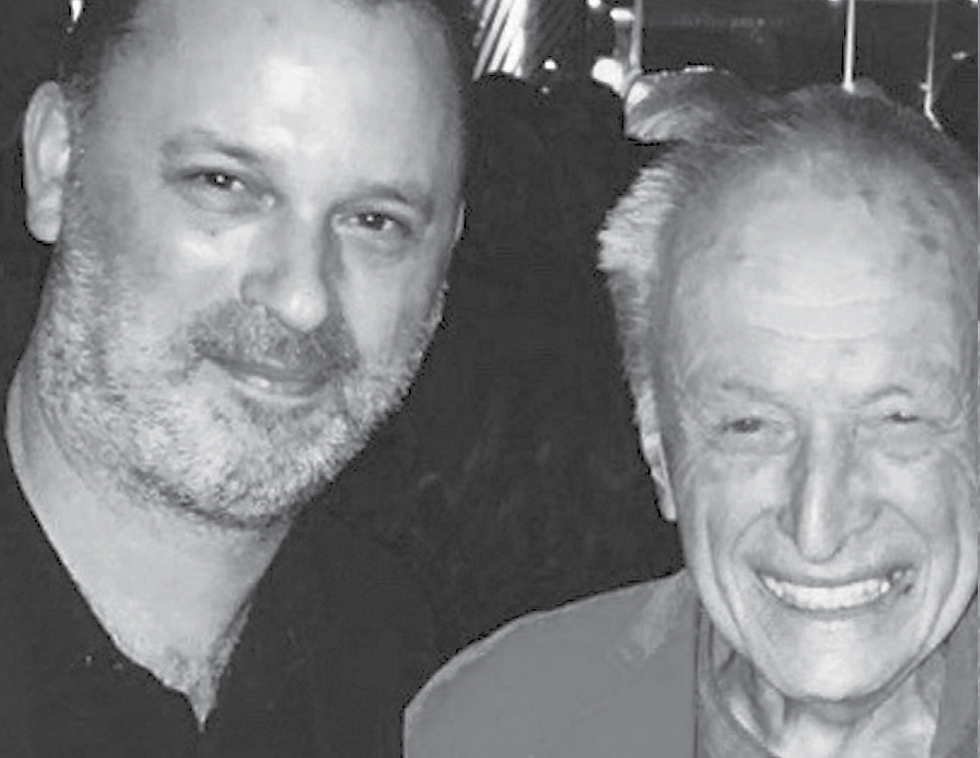
With Lord Richard Rogers, London, at The Design Museum exhibition in Shad Thames
Middle from Left
Virgin Atlantic Icon 5, 36 days of type street installation in Stockholm, part of the Virgin Timeline mural in Atlanta
Bottom from Left
Details of the RSHP book, AMO, and at the launch of RSHP 10 year birthday party, London.


2020 - 2025
Between 2020 and 2025, graphic design was reshaped by the pandemic-driven surge in digital content and the rapid rise of AI tools. As businesses shifted online almost overnight, demand grew for fast, adaptable content across social media, e-commerce, and virtual communication. Maximalism made a comeback, with bold colors, chaotic layouts, and nostalgic Y2K aesthetics pushing back against years of clean minimalism. At the same time, AI-powered design tools began entering mainstream workflows, speeding up ideation, image generation, and production in ways that started to reshape how designers approached their craft.
Looking ahead from 2026 onward, graphic design will likely continue evolving alongside AI, becoming less about manual production and more about creative direction, curation, and strategy. Designers will increasingly use AI as a collaborative tool for rapid prototyping and personalization, while human skills like brand storytelling, emotional nuance, and original concept development become even more valuable differentiators. Expect greater emphasis on hyper-personalised, data-driven design, immersive formats like AR and 3D, and a continued blending of physical and digital experiences - all while designers navigate the balance between AI efficiency and the authentic, human creativity that keeps brands memorable.




Top from Left
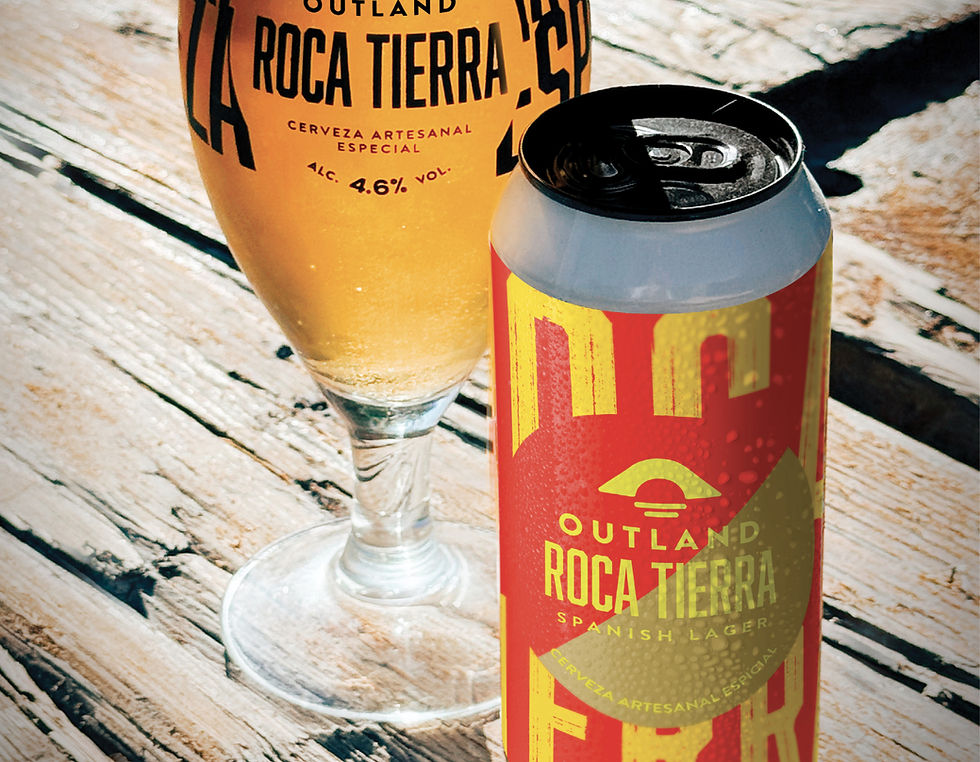
Outland new can design for Roca Tierra, Lanzante merchandise, Overfinch graphics, new branding for Olipop, Outland apparel and graphics for The Fat Duck, Bray.
Middle from Left
Badger advertising, Myrra Ai Branding, Lanzante Branding
Bottom from Left
Experimental formats with Attik, the studio in 2026


